Print Marketing Advantages and Disadvantages: What You Need to Know
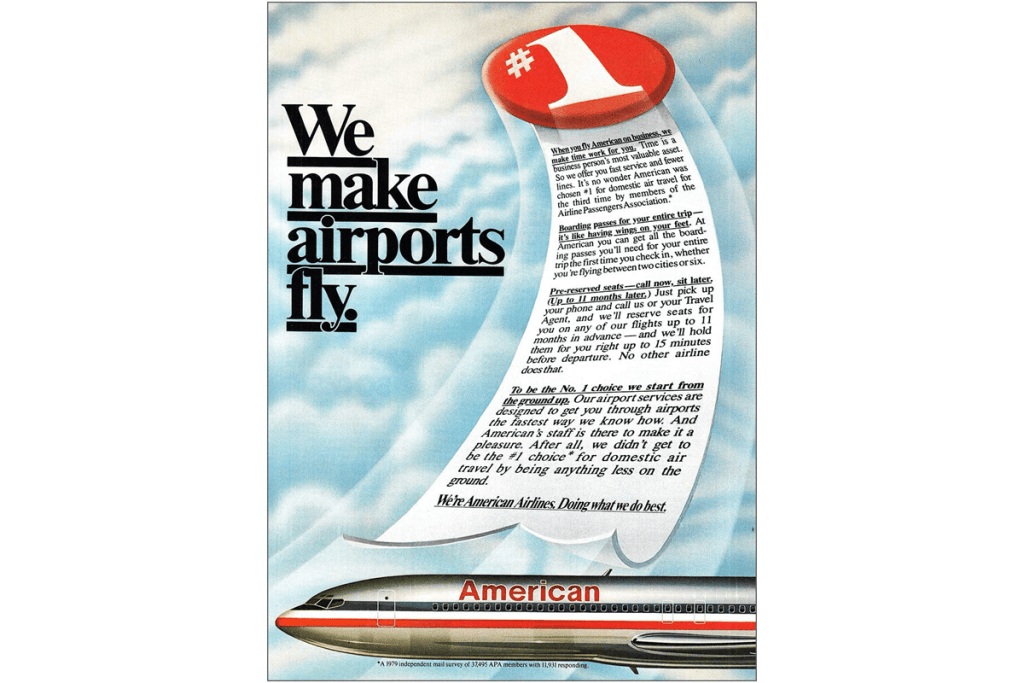
In today’s digital age, marketers often find themselves questioning the role of traditional marketing methods like print and working with local distributers in the industry. With the rise of digital advertising, social media, and email marketing, it’s easy to assume that print is outdated. However, print marketing continues to prove its value in certain key areas, especially when it comes to brand recall, emotional engagement, and focus. Let’s explore some print marketing advantages.
Print Marketing Advantages
1. Higher Brand Recall
One of the most significant benefits of print marketing is its ability to drive higher brand recall. A study by neuromarketing firm TrueImpact, cited in Forbes, revealed that direct mail requires 21% less cognitive effort to process compared to digital ads. The result? People remember printed materials better.
Brand recall for direct mail was 70% higher than for digital ads, with 75% of people remembering the brand in print versus 44% for digital. This makes print marketing particularly valuable for businesses looking to build long-term brand recognition.
2. Engages Multiple Senses
Print marketing has the unique advantage of engaging multiple senses—not just sight but also touch, and even smell. When consumers receive a physical piece of marketing, they interact with the texture, weight, and shape of the material. This sensory interaction strengthens memory retention.
Studies show that people can recall an object they’ve touched with impressive accuracy, even when they aren’t consciously trying to remember it. This tactile experience gives print marketing a lasting impact on consumers.
3. Higher Comprehension and Focus
Print materials are easier to comprehend and allow for better focus. A review of 33 studies by University of North Dakota professor Virginia Clinton found that print consistently outperforms digital when it comes to comprehension. The reason? Fewer distractions.
Digital content often comes with interruptions like notifications, pop-ups, or emails, which disrupt the reader’s focus. In contrast, print marketing offers an uninterrupted experience, allowing consumers to fully engage with the message.
4. Stronger Emotional Response
Print marketing has also been shown to elicit a stronger emotional response compared to digital ads. A study conducted by Bangor University and Millward Brown used fMRI scans to measure brain activity while subjects interacted with physical and digital ads. The study found that physical materials engage more emotional processing, leading to better memory encoding and stronger brand associations.
Because print feels more “real” and personal, it creates a deeper emotional connection with consumers—something that is critical in driving action.
5. Higher Response Rates
Print marketing consistently delivers higher response rates than digital. While digital marketing response rates tend to hover around 1% or less, print marketing, such as direct mail, boasts response rates as high as 9%. This makes print a powerful tool when the goal is to drive tangible results, such as conversions or sales.

Disadvantages of Print Marketing
1. Higher Costs
One of the most notable downsides of print marketing is its higher cost compared to digital channels. Producing and distributing printed materials—whether it’s direct mail, brochures, or flyers—requires significant investment in printing, postage, and materials. These costs can add up, especially for larger campaigns, limiting the reach of your efforts compared to the relatively low cost of digital marketing.
For example, sending out emails to thousands of people costs far less than printing and mailing thousands of physical letters.
2. Limited Reach
While print marketing can be highly effective for brand recall and engagement, its reach is more limited than digital marketing. A social media post or an email campaign can be seen by hundreds of thousands of people with little added cost, whereas print materials are confined by budget and logistics. Once you’ve mailed out a batch of flyers or brochures, expanding that audience comes with significant additional costs.
3. Difficult to Track
Another challenge of print marketing is that it’s more difficult to track performance. Unlike digital marketing, where metrics like clicks, open rates, and conversions are available in real-time, print campaigns don’t offer the same level of data and insights.
While you can track certain actions through tools like unique promo codes or QR codes, the overall visibility and analytics for print campaigns are less precise, making it harder to measure ROI and campaign effectivenes.
4. Longer Lead Times
Print marketing often requires more time to produce compared to digital marketing. Designing, printing, and distributing materials like brochures, direct mail, or posters can take weeks, if not longer. This makes it less flexible for time-sensitive campaigns or rapid adjustments, whereas digital marketing allows for quick changes, updates, or A/B testing.
5. Environmental Concerns
In today’s eco-conscious world, many businesses and consumers are prioritizing sustainability. Print marketing can be seen as wasteful due to the use of paper, ink, and transportation resources. Although recyclable materials can be used, print still has a larger environmental footprint compared to purely digital efforts, which are perceived as more sustainable.

Is Print Marketing Right for You?
The choice between print and digital marketing is not a matter of one being better than the other—it’s about finding the right balance for your brand. While digital offers broad reach, low cost, and measurable analytics, print marketing shines in areas like brand recall, emotional engagement, and higher response rates.
The most effective strategy often involves using both print and digital together, combining the tangible impact of print with the wide reach and data-driven insights of digital marketing. This multi-channel approach helps brands engage consumers in more meaningful ways and ensures you’re not missing out on valuable opportunities.
By leveraging the strengths of both mediums, you can create a more integrated, effective marketing strategy that drives better results for your business.
If you’re ready to discuss how print and digital marketing can work together for your brand, we encourage you to connect with us here.